Acquisition diligence / 10 min read
Maritime Technical Due Diligence for Vessel Acquisitions
Roman Wroath on maritime technical due diligence for vessel acquisitions, ship purchases, yacht builder transactions and distressed marine business reviews.
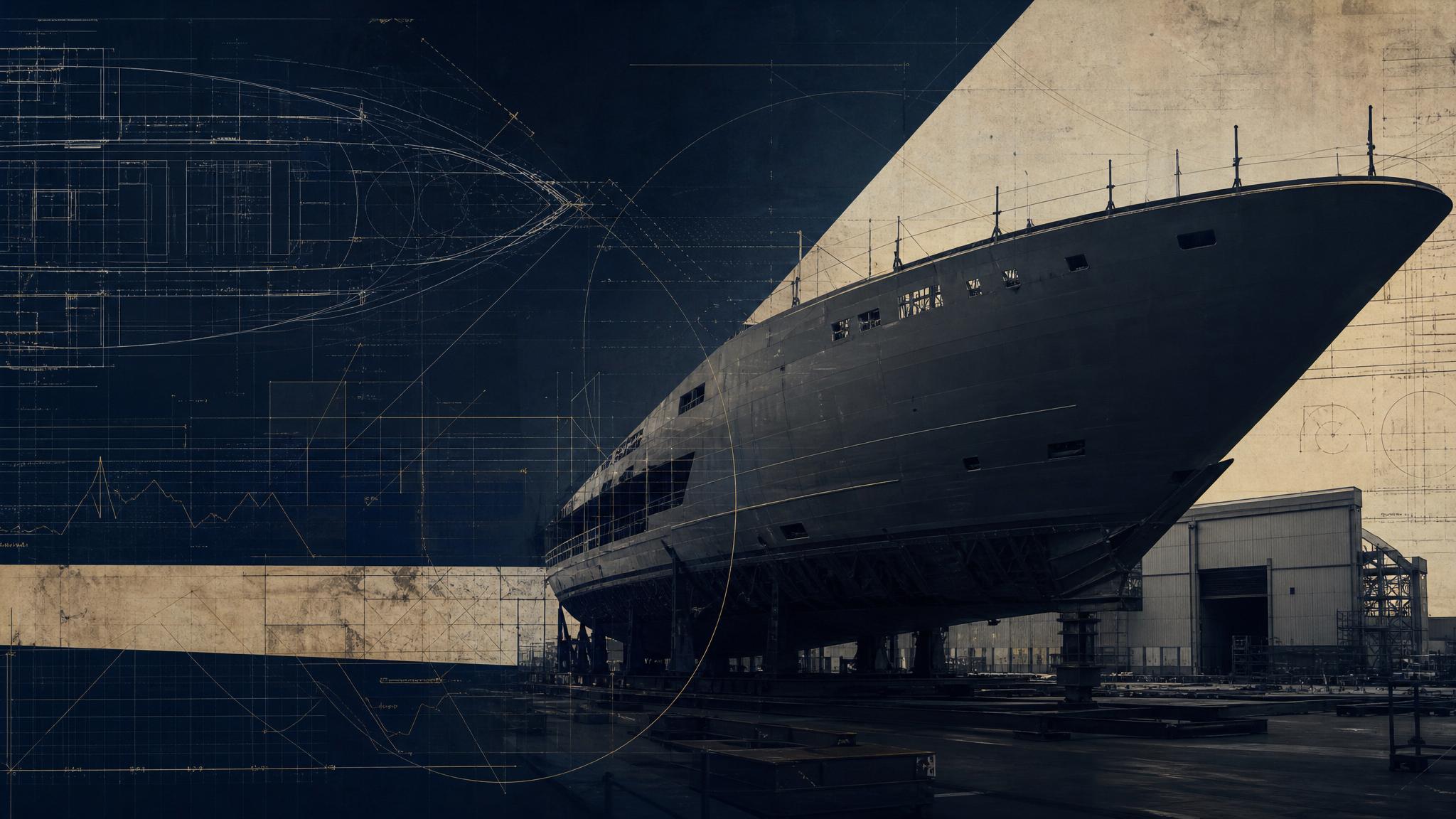
Maritime technical due diligence is the work that sits between a marine survey, an engineering review and an acquisition decision. It asks whether the asset, business or fleet can do what the seller says it can do, and what it will really cost to own after closing.
For a vessel acquisition, the work starts with the physical condition of the hull, machinery, electrical systems, propulsion, safety equipment and class items. That inspection matters. But the real value is in connecting those findings to maintenance records, flag status, warranty exposure, crew knowledge, spares, supplier dependencies and the buyer's intended use.
A vessel is never bought in isolation from its operating promise. A patrol boat, commercial workboat, charter yacht, ferry, offshore support vessel or solar-electric catamaran may all look acceptable under a generic condition review. The acquisition question is narrower and more useful: will this asset do the buyer's job, in the buyer's waters, under the buyer's regulatory and commercial assumptions?
That means technical diligence has to test the business case, not just the bilges. Machinery hours need to be read against the duty cycle. Class records need to be read against completion timing. Electrical architecture needs to be read against hotel load, redundancy, charging assumptions or future refit plans. A tidy engine room does not answer whether the vessel can support the revenue model.
The document set is often where the story starts to fracture. Missing drawings, old revisions, inconsistent maintenance logs, undocumented modifications, incomplete commissioning records and vague handover packs are not administrative details. They tell the buyer how the asset has been managed and how difficult it will be to operate, insure, finance, crew or resell.
Crew and operator interviews are part of the evidence. The people who live with the vessel know the recurring alarms, awkward access points, unreliable suppliers, software issues, workarounds, spares shortages and defects that never made it into the seller's pack. A good review listens carefully, then checks those claims against records and physical evidence.
A clean report is not enough. The output should help a buyer price the risk, decide what must be fixed before completion, define holdbacks or warranties, and build the first ninety days of ownership. Technical diligence is most useful when it turns uncertainty into an executable plan.
The same discipline applies when acquiring a yacht builder, shipyard, unfinished vessel or distressed marine business. Work-in-progress, customer promises, design maturity, supplier arrears, production sequence and quality records can change the deal value more than the headline purchase price. In a restart situation, the question is not simply what has been built. It is what can be finished, by whom, with which drawings, parts, approvals, cash and customer expectations.
This is where maritime technical due diligence becomes commercial. An open class item may affect closing mechanics. A missing supplier relationship may affect the restart date. A warranty pattern may change the working-capital need. A customer promise may require escrow, a price adjustment, a completion condition or a decision to leave that obligation behind.
The buyer should walk the vessel or yard with the financial model in mind. Every open defect, missing document, obsolete component, unfinished engineering change or undocumented owner promise has a commercial consequence. If it cannot be costed or sequenced, it is still a risk.
The final deliverable should be more than a list of findings. It should separate completion-critical issues from normal post-acquisition work, identify the evidence still missing, assign rough cost and timing ranges, and show which issues need legal or financial protection. A technical risk that does not flow into the deal structure is just an observation.
Good diligence also has a time dimension. Some risks must be closed before signing. Some can be covered before completion. Some can be accepted if they are priced and owned properly after closing. The value is in knowing the difference early enough to preserve leverage.
Discuss the acquisition
Buying, funding or restarting a vessel, yard or maritime business?
For technical diligence, acquisition review or restart planning, contact Roman Wroath.